
Site architecture
Define the pages, search intent and internal-linking relationships before the agent starts generating routes.
Give the coding agent the right SEO context.
SEO strategy and clear implementation guidance for websites built with Cursor. We help decide what the site needs, turn that into practical coding tasks and check the live result.
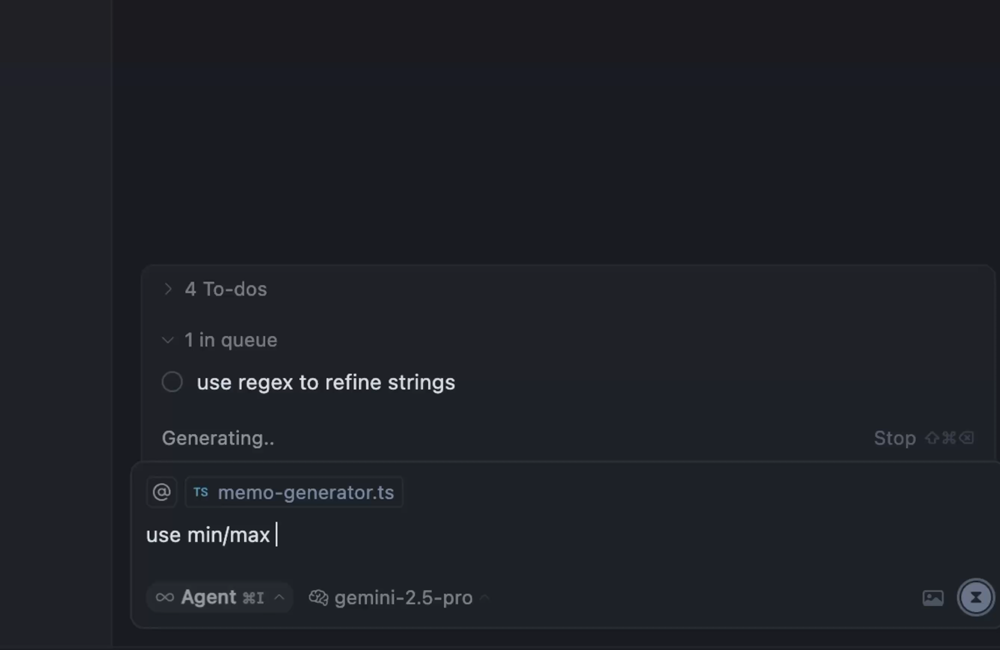
The agent can inspect a codebase, edit files, run checks and present changes for review. The quality of the result still depends on the instructions, architectural decisions and acceptance criteria it receives.
Cursor SEO review
A technically valid change can still create the wrong page, duplicate search intent or fail after deployment. We connect the SEO strategy to the implementation and test the outcome users and search engines actually receive.
Define the pages, search intent and internal-linking relationships before the agent starts generating routes.
Give Cursor persistent SEO requirements that match the framework, codebase and publishing workflow.
Implement reusable title, description, canonical, robots and structured-data patterns without creating duplication.
Test what search engines receive after JavaScript, routing and deployment have done their work.
Protect page purpose, heading structure and descriptive anchor text as components and copy change.
Review what changed, run the website checks and confirm the live page before declaring the work complete.
Persistent project context
Cursor project rules can carry scoped, version-controlled guidance into future tasks. An AGENTS.md file offers a simpler, portable alternative for instructions that should travel with the repository and work across coding agents.
ArchitectureDo not create a public route without a defined search purpose.
MetadataEvery indexable page needs unique metadata and a self-referencing canonical.
LinksUse descriptive internal anchor text and keep priority pages reachable.
VerificationTest rendered HTML, sitemap output and robots controls after each relevant change.
A reliable delivery path
Cursor is most useful when every task starts with a clear goal and ends with proof that the finished website works as intended.
Identify the audience, wording and purpose of the page.
Give Cursor clear instructions and a finish line.
Update the right pages and shared website elements.
Check the page against the agreed SEO requirements.
Confirm the published page can be found and works correctly.
Implementation guidance
We can write focused Cursor tasks for your team or make and verify the changes directly where access and scope allow. Each task includes the necessary project context and a clear test, without repeatedly loading unrelated work into the agent.
Problems we regularly find
These issues are not inevitable, but they are easy to miss when a site is being built or changed quickly.
Broad instructions produce inconsistent routes, metadata and components because success was never defined.
A code diff looks reasonable but the rendered page, crawl response and live behaviour are not checked.
Metadata, headings or internal links are copied across templates without page-specific values.
Recurring SEO decisions are not recorded, so later agent sessions undo or ignore them.
Cursor SEO questions
Yes. Cursor can help implement an SEO-friendly website, but the result depends on the requirements, codebase context, framework and checks supplied by the team.
No. Cursor can work from instructions and code context, but it cannot decide your commercial search priorities, page architecture or content strategy without clear input.
Useful rules cover indexable route requirements, metadata patterns, canonicals, internal linking, structured data, sitemap handling and the checks required before release.
Review what changed, run the website checks and inspect the finished pages. What happens on the live website matters more than whether the suggested code looks convincing.
If you’ve built something with AI, we’ll help make sure search engines can find, understand and rank it.
30-minute consultation. No obligation.